How to open Windows Device Manager. Updated: 0. 5/1. 9/2. Computer Hope. Below are the steps for entering the Device Manager in each of the major versions of Windows. Click on one of the links below to link directly to the steps for that version of Windows or browse through them all. Tip: Press the shortcut key Windows key and the Pause key at the same time to open Device Manager or System information to get into the Device Manager.
How to open the Device Manager in Windows 1. Press the Windows key + X or right- click on Start to open the Power User Menu. Select Device Manager in the menu. You should see something similar to the example below.
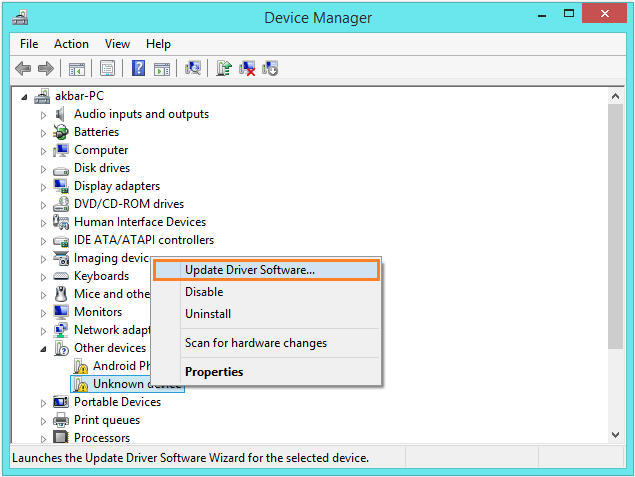

Note: In Windows 1. Device Manager by right- clicking on the Windows button (the Start button) in the lower left corner of the Desktop screen or by pressing the Windows Key + X on the keyboard.
In the menu that opens, click Device Manager. Once in Device manager, you can start identifying problems in Windows Device Manager. How to open the Device Manager in Windows 8.
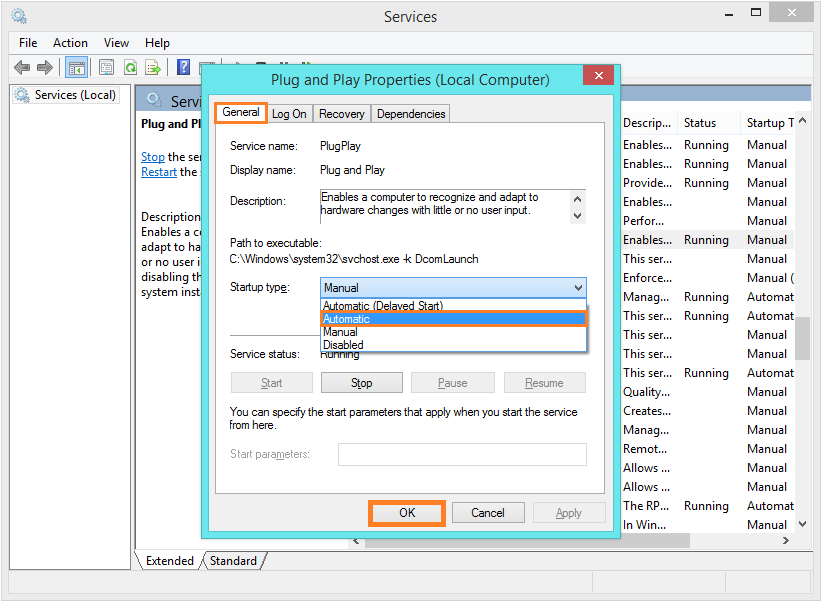

From the Windows Start Screen, type device manager. Or on the Desktop screen, you can press the Windows key + C key on your keyboard to open the Charms menu. Click Settings and then click the Device Manager icon. You should see something similar to the example below. Note: In Windows 8.
Device Manager by right- clicking on the Windows button (the Start button) in the lower left corner of the Desktop screen. In the menu that opens, click Device Manager. Once in Device manager, you can start identifying problems in Windows Device Manager. How to open the Device Manager in Windows Vista and 7. Click on the Start Orb.
How to Run Task Manager from Command Prompt. Task Manager is an essential tool for dealing with crashed programs in Windows. Thankfully, it can be opened in a variety. Here's how to open Device Manager in Windows 10, 8, 7, Vista, or XP. You'll need to start Device Manager to manage hardware, fix driver issues, etc. How To Access Device Manager From the Command Prompt Launch Device Manager From the Command Line with This Trick Share Pin.
In the Start Menu Search box, type device manager and then press enter. You should see something similar to the example below. Once in Device manager you can start identifying problems in Windows Device Manager.
How to open the Device Manager in Windows 2. Open the Administrative Tools in Control Panel. Within the Administrative Tools, click Computer Management. Once in Device manager you can start identifying problems in Windows Device Manager. How to open the Device Manager in Microsoft Windows XP and 2. On the desktop or in the Start Menu, right- click on My Computer and select Properties. In the System Properties window, click the Hardwaretab.
On the Hardware tab, click the Device Manager button. Open the Control Panel. In the Control Panel, double- click the Systems icon.
Shortcut to device manager for windows 10? Driver per windows 10? Device manager shortcut windows 10? Shortcut to device manager windows 10?
In the System Properties window, click the Hardware tab. On the Hardware tab, click the Device Manager button and you should see something similar to the example below. Once in Device manager you can start identifying problems in Windows Device Manager. How to open the Device Manager in Microsoft Windows 9. SE, and MEOn the desktop, right- click on My Computer and select Properties. Click the Device Manager tab. Open the Control Panel.
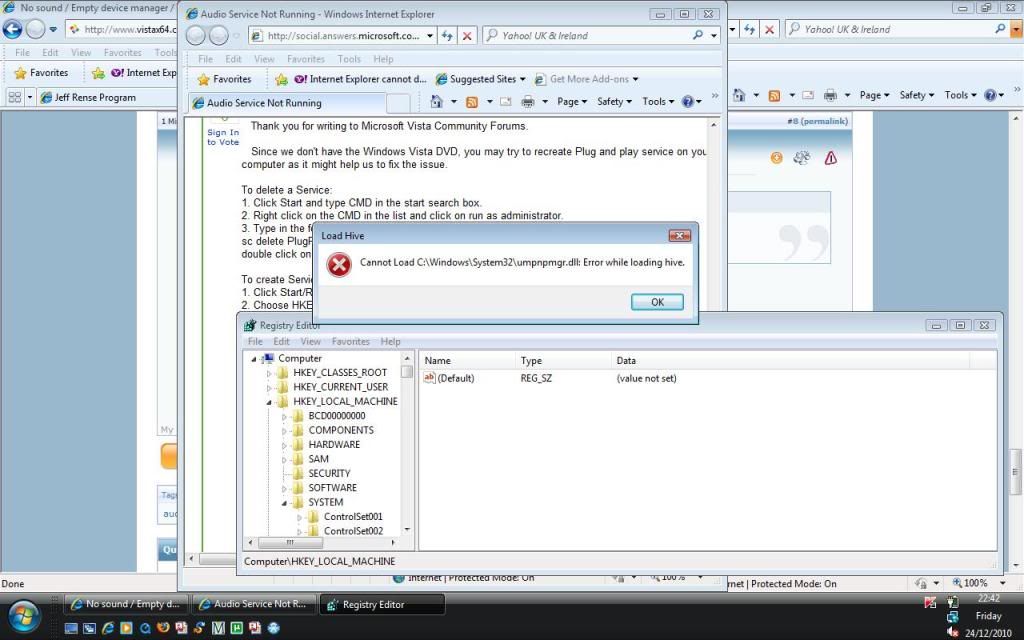
In the Control Panel, double- click the Systems icon. Click the Device Managertab and you should see something similar to the example below. Once in Device manager you can start identifying problems in Windows Device Manager. Microsoft Windows NT 3.


The Driver Verifier Manager & Device Manager in Windows 8 Once you are done. It will open a windows like the one shown below. You have two options here, if you want to install a driver that came with your device or hardware.
Windows 3. x users. These versions of Windows do not have a Device Manager feature.
How to Use the Windows Device Manager for Troubleshooting. The Windows Device Manager is an important troubleshooting tool. It displays all your installed hardware devices and allows you to view which ones have problems, manage their drivers, and even disable specific pieces of hardware.

In MS-DOS 5.00 - 6.22 you can use this undocumented workaround to force COMMAND.COM to load "high", which requires an upper memory manager in CONFIG.SYS, like EMM386. DevManView is an alternative to the standard Device Manager of Windows, which displays all devices and their properties in flat table, instead of tree viewer. From Microsoft: The Windows Mobile Device Center enables you to set up new partnerships, synchronize content and manage music, pictures and video with Windows Mobile. Can’t connect Bluetooth device to your computer? Bluetooth keyboard, mouse, microphones, headphones, or other wireless devices cannot be recognized in Windows PC.
You should only need to use the Device Manager when troubleshooting your computer’s hardware and managing its drivers, but it’s an important system tool that you should know how to use. Opening the Device Manager. The easiest way to open the Device Manager on any version of Windows is by pressing Windows Key + R, typing devmgmt.
Enter. On Windows 8, you can also right- click in the bottom- left corner of your screen and select Device Manager. On Windows 7, you can open the Control Panel, click Hardware and Sound, and click Device Manager under Hardware and Printers. Viewing Your Installed Hardware. By default, the Device Manager displays a list of your installed hardware, sorted by category. You can expand these categories to view which hardware you have installed in your computer. If you ever forget the exact model number of your video card or even your hard drive or DVD drive, you can quickly find that information in the device manager.
Note that some hardware devices don’t appear in this list by default. You can view them by clicking View and selecting Show hidden devices. This will display a variety of “non- plug and play drivers,” including low- level system drivers included with Windows and drivers installed by third- party software. Windows does not display certain types of hidden devices, even when you enable the Show hidden devices option. To view them on Windows 7, Vista, or XP, you’ll have to launch the Device Manager in a special way. First, open a Command Prompt window.

Run the following commands in it: set devmgr. You can use this trick to remove drivers associated with your old, disconnected hardware. This hidden feature was removed in Windows 8, so viewing such “ghosted” devices is no longer possible. Identify Devices That Aren’t Working Properly. To identify devices that aren’t working properly — possibly because of problems with their drivers — look for the yellow triangle containing an exclamation point over a device’s icon.
Right- click the device and select Properties to view more information about the problem. The problem could be a driver issue, a system resource conflict, or something else. If it’s a driver problem, you can generally install a new driver for it from the Driver tab in the Properties dialog. Disable a Device. Let’s say you want to disable a device completely. Perhaps your laptop’s touchpad is malfunctioning and sending phantom events, moving your mouse cursor when you don’t want it to. Perhaps you never use your laptop’s webcam and you want to disable it at the system- level to be sure no malware can use your webcam to spy on you.
Whatever your reason, you can disable individual hardware devices from the Device Manager. As an example, let’s say we don’t like the annoying system beeps that come from our computer. These beeps come from the speaker on your computer’s motherboard. To disable them, click the View menu and select Show hidden devices. Expand the Non- Plug and Play Drivers section, right- click the Beep driver, and select Properties. Click the Driver tab and set the Startup Type to Disabled.
You won’t hear beeps from within Windows anymore. This is a troubleshooting feature that allows your motherboard to beep at you if problems occur.
Manage a Device’s Drivers. A device’s properties window contains information and settings that may be specific to that type of hardware. However, you shouldn’t need to look at most of the information or options here. The settings that matter most for troubleshooting are the Driver settings.
After right- clicking a device and selecting Properties, click the Driver tab. You’ll find information about the currently installed driver and buttons for controlling it. Driver Details: View details about the exact location of the driver files being used by the device on your system. You shouldn’t need this option. Update Driver: Install an updated driver.
Windows allows you to search online for an updated driver or manually choose a driver that has been downloaded to your system, just as you can when installing devices normally. Searching for an updated driver may help if the driver is old and outdated. If you want to manually choose a custom, downloaded driver for a device, you’ll do it from here.
Roll Back Driver: Revert to the driver the device was previously using. If you’ve updated the driver to a new version and the hardware isn’t working quite right, you should downgrade the driver. You could hunt down the old driver and manually install it, but this button provides a quick way to downgrade your driver.
If this button is grayed out, the driver hasn’t been updated, so there’s no previous driver to roll back to. Disable: Disable the device, preventing it from working in Windows until you re- enable it. Uninstall: Uninstall the drivers associated with the device from your system. Note that this may not remove all driver files, so uninstalling the drivers from your Control Panel is a better idea, if this is possible. You may have to reboot your computer after doing this.
This should only be necessary if you want to purge certain drivers from your system and try setting up the device and its drivers from scratch. The Device Manager also warns you about resource conflicts, but you should see resource conflicts very rarely on modern systems. The above information should cover just about everything you would want to do with the Windows Device Manager.


/http%3A%2F%2Fsmallcitydesign.com%2Fmywp-content%2Fuploads%2F2011%2F11%2FSystemType.png)
/https%3A%2F%2Fassets.over-blog.com%2Ft%2Fcedistic%2Fcamera.png)
/https%3A%2F%2Fwww.computerhope.com%2Fissues%2Fpictures%2Fwindowsupdate.jpg)
/http%3A%2F%2Fi43.tinypic.com%2F2uszmuu.jpg)